This outdoor test record compares the unimproved and improved ToupTek Astro SkyEye24AC DSO camera under the same target and similar testing conditions.
- Test date: May 14, clear night.
- Location: ToupTek Astro Outdoor Testing Lab, with light pollution level approximately 8 and ambient temperature around 25 C.
- Mount: UMI harmonic equatorial mount with OnStep.
- Main cameras: Two ToupTek Astro SkyEye24AC cameras, one unimproved and one improved.
- Telescope: Askar V, 80 mm, with 1x flattener.
- Filter: Askar Color Magic D1 Duo Narrowband Filter.
- Guiding system: ToupTek Astro GPM462M with 60F4 Guide Scope.
Actual results may vary slightly depending on the testing environment and astronomy equipment combination. After preparation, both SkyEye24AC cameras were cooled to 10 C while the ambient temperature was approximately 25 C. The telescope was pointed at M13, the Hercules Globular Cluster.
Before - Testing the Unimproved SkyEye24AC
Image 1: Unimproved HCG 30s and 60s
The camera was set to HCG mode, 100 gain, and Low Noise Mode on. Image quality appeared normal; horizontal stripes were weak and hard to recognize, indicating no defects, faults, or quality issues in the camera itself.
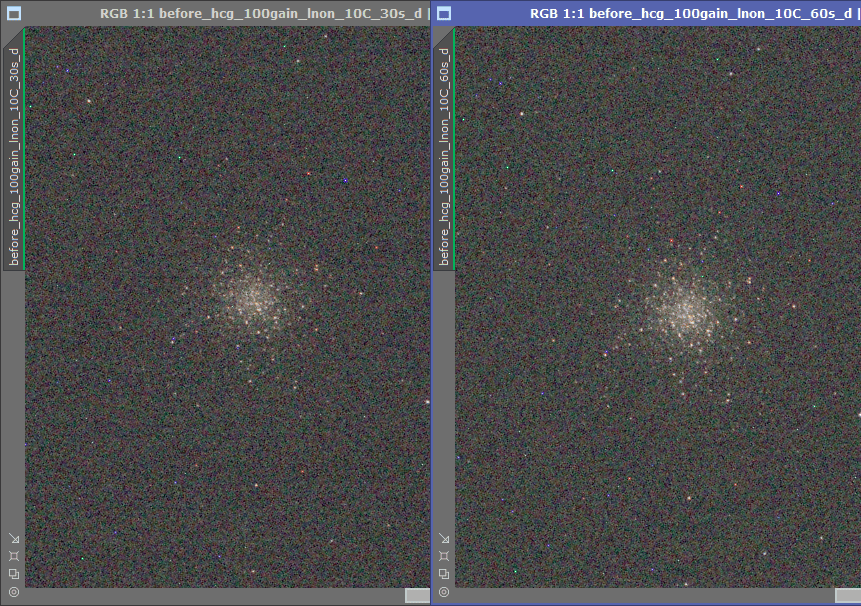
Image 2: Unimproved LCG 60s and 300s
The camera was then set to LCG mode, 100 gain, and Low Noise Mode on. The 60s exposure showed more noticeable horizontal stripes, while the 300s exposure showed weaker stripes.
Image 3: Unimproved LCG 30s, 60s, and 300s
Under LCG mode, 100 gain, and Low Noise Mode off, both 30s and 60s images showed more pronounced horizontal stripes. The 300s exposure showed weaker stripes, but they were still more noticeable than in Image 2.
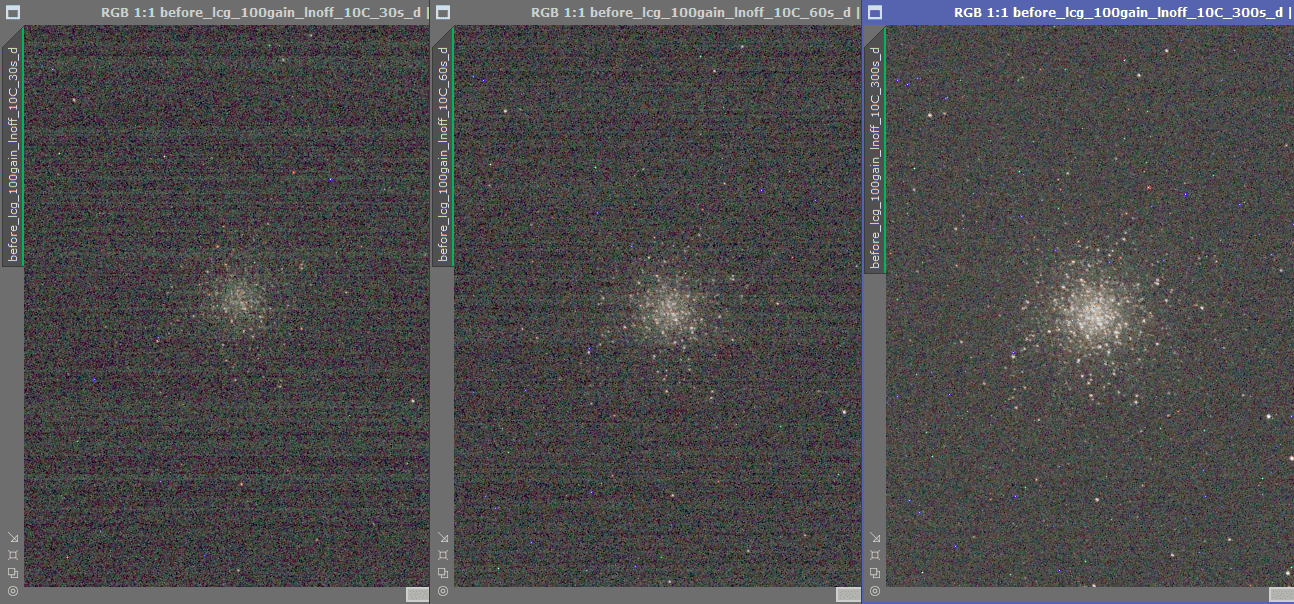
Although background random stripes can be reduced through extensive light-frame stacking and rejection, they can still lower the signal-to-noise ratio of celestial images and may be difficult to remove completely with fewer stacked frames.
After - Testing the Improved SkyEye24AC
Image 4: Improved LCG 30s and 300s
Using the same LCG mode, 100 gain, and Low Noise Mode off settings, horizontal stripes in the 30s exposure were significantly suppressed. In the 300s exposure, stripes were further weakened and small stars that were previously obscured became clearer.
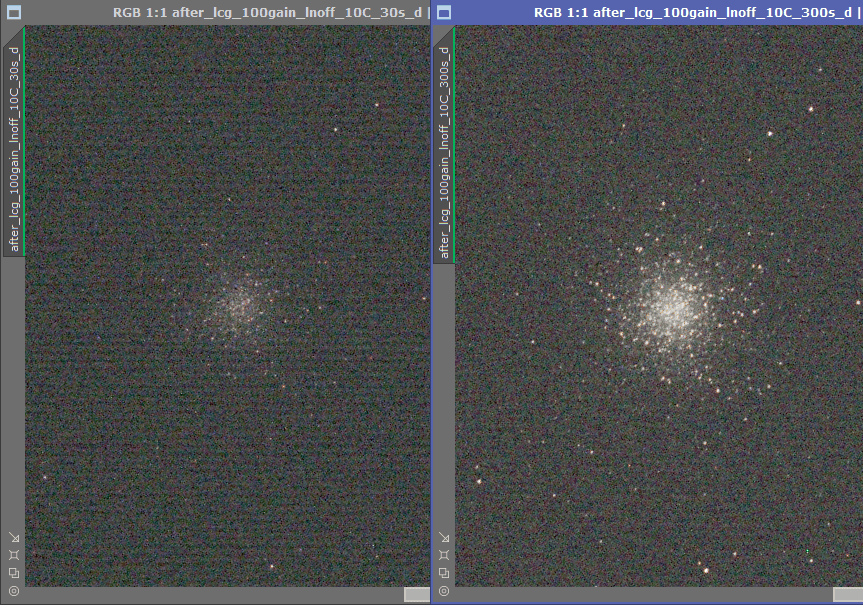
Image 5: Improved LCG 30s and 300s with Low Noise Mode On
With cooling temperature at 10 C, LCG mode, 100 gain, and Low Noise Mode on, horizontal stripes were almost eliminated in both 30s and 300s exposures. The celestial images appeared clean and sharp, showing a significant improvement over the unimproved version.
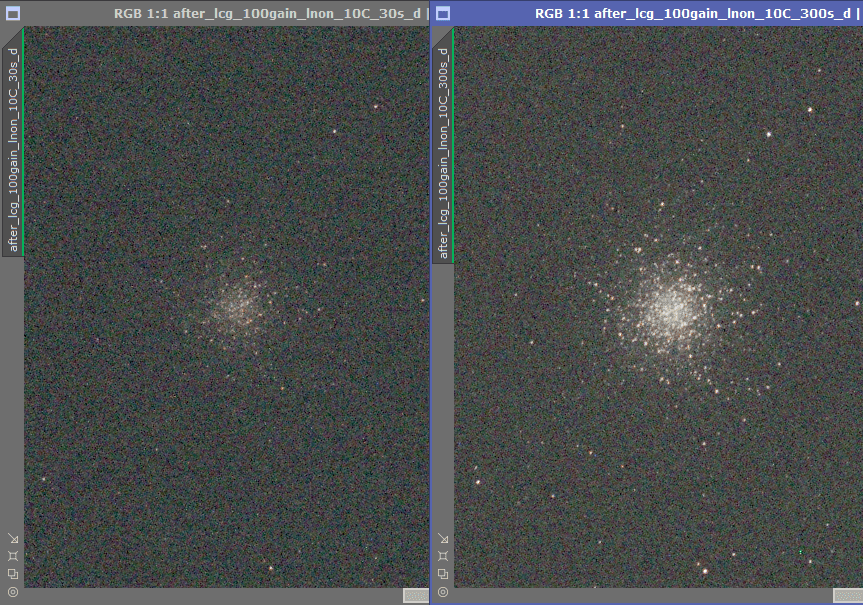
Because the horizontal stripes were nearly eliminated under these strict parameters, further HCG-mode comparison on the same target was unnecessary. The result was clear: random stripes were no longer present in the images.
Real Photographing Effect
The telescope was then pointed at NGC6888, the Crescent Nebula, using HCG mode, 100 gain, Low Noise Mode on, and 24 light frames at 600s each until astronomical twilight began.
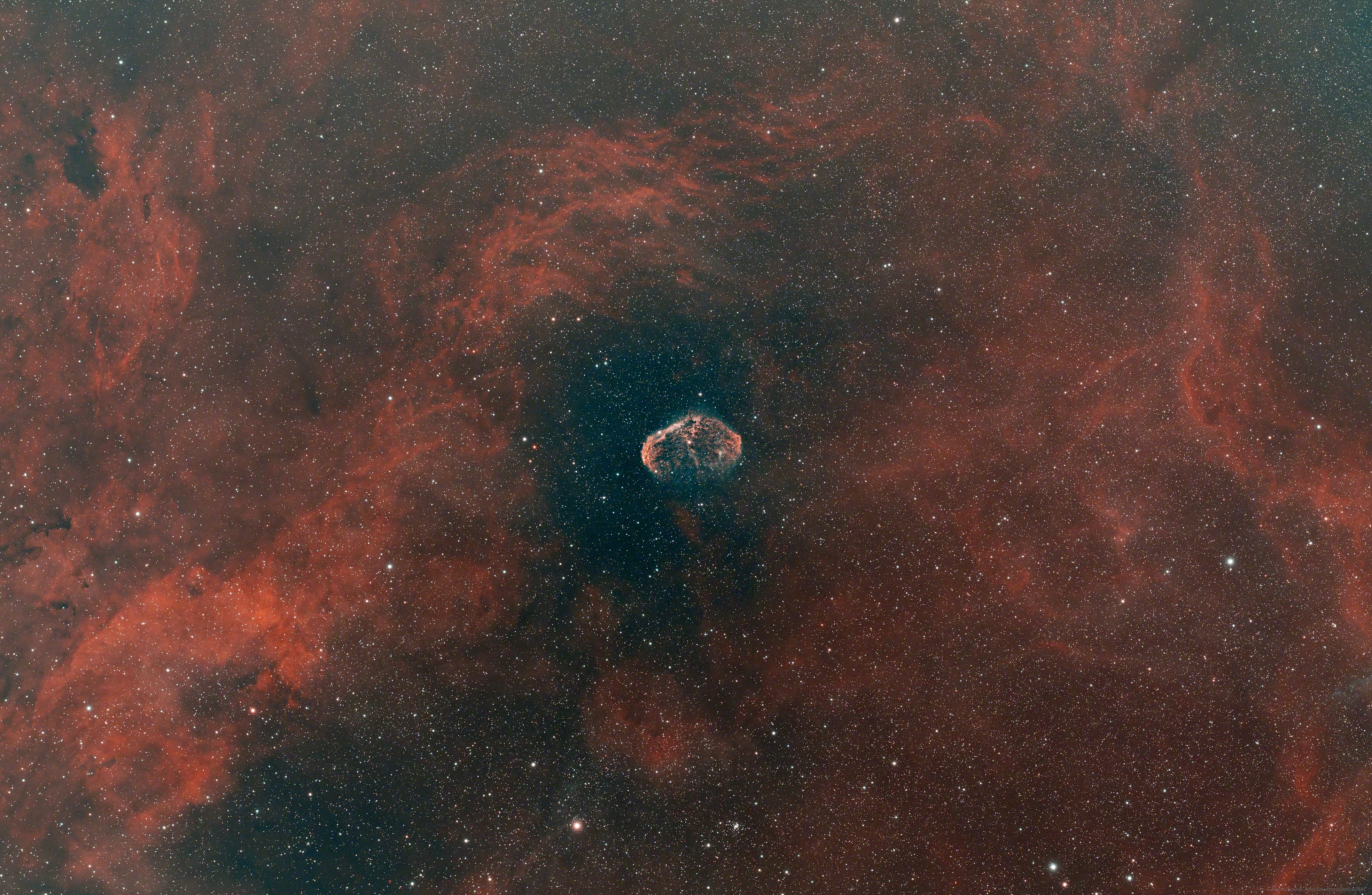
The SkyEye24AC improvement reflects ToupTek Astro's continued product optimization. We welcome astronomical images by email at marketing@touptek.com and through the ToupTek Astro Facebook group.